
Data Dynamics Tips to Transform Decision Making
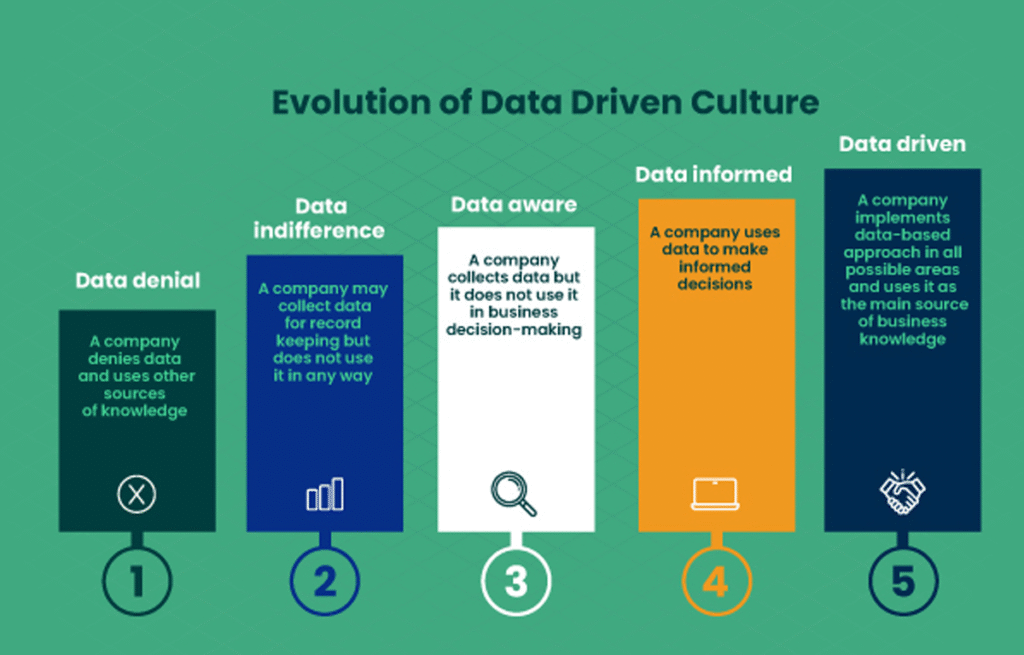
Organizations that harness data thoughtfully make better choices. They move faster. They avoid costly detours. The discipline of Data Dynamics elevates decision quality by turning raw signals into reliable guidance. Below are practical, tactical approaches every leader can use to Data Dynamics decision tips into everyday operations, enabling Smarter company choices and the ability to Transform decision making across functions.
Clarify the decision architecture
Start by cataloging the decisions that matter. Not every choice requires heavy analytics. List strategic, operational, and tactical decisions separately. For each, note who decides, what cadence applies, and which metrics matter. This decision scaffolding prevents analysis paralysis and focuses effort where it pays off. When the architecture is clear, teams use data with purpose, not habit.
Instrument for signal, not noise
Collect context-rich telemetry. Timestamp well. Capture user intent, system state, and environmental variables alongside events. But be selective. Data without focus creates confusion. Design instrumentation to answer specific questions in your decision map. This targeted approach reduces the latency tax of sifting through irrelevant logs and surfaces the patterns that matter.
Adopt canonical metrics and metric contracts
Define a single source of truth for core KPIs and document their calculations. Metric contracts specify schema, refresh cadence, owners, and acceptable error bounds. With canonical metrics, debates about “whose number is right” disappear. Consistency in metrics fosters alignment and accelerates consensus, which is essential for Smarter company choices.
Build a layered analytic stack
Separate operational reporting from analytical exploration. A fast, aggregate layer serves daily decisions; a deep, exploratory layer enables hypothesis testing and root cause analysis. This layered design ensures rapid responses while preserving the ability to dig deeply when anomalies occur. It also aligns tooling to user needs: dashboards for operators, notebooks for analysts.
Emphasize explainability and provenance
Complex models should be interpretable. Use SHAP values, counterfactuals, or feature importance plots to explain predictions. Track lineage so every metric can be traced to raw sources. When stakeholders understand why a signal emerged, they accept model recommendations more readily. Explainability converts opaque outputs into confident action.
Embed prescriptive nudges into workflows
Data should not only inform; it should nudge. Link insights to playbooks and automate routine responses where appropriate. For example, when a retention model flags a high-risk cohort, trigger a targeted offer or a customer-success call. Prescriptive nudges close the loop between insight and execution, helping teams Transform decision making from reactive to proactive.
Use small, rapid experiments
Prefer micro-experiments over wholesale transformations. Feature flags, A/B tests, and canary releases validate assumptions in production with limited downside. Each small win scales as a repeatable pattern. This experimental cadence reduces risk and compounds learning, enabling organizations to refine Innovative data strategies without paralyzing fear of failure.
Prioritize decision velocity with safety rails
Speed beats perfection when decisions are time-sensitive. Equip frontline teams with synoptic dashboards, alerts, and concise narratives that summarize the “what,” “why,” and “next step.” At the same time, implement guardrails: automated rollbacks, audit logs, and escalation paths. This balance preserves agility while containing downside risk.
Democratize access, but govern rigorously
Expand access to curated datasets and self-service tools. Training and clear metadata make analysts and operators more effective. But governance is essential: role-based access, lineage tracking, and automated compliance checks prevent misuse. Democratically distributed insight, paired with robust governance, multiplies decision-making capacity across the enterprise.
Translate analytics into decision heuristics
Turn complex models into simple heuristics for operational use. A scoring model might translate into three buckets with explicit actions: escalate, monitor, or ignore. Heuristics reduce cognitive load and help teams act consistently under pressure. They also provide a bridge from sophisticated analytics to daily practice.
Leverage predictive maintenance for operations
Apply predictive models to anticipate failures or capacity constraints. Forecasting demand, identifying degrading components, and simulating supply chain disruptions allow teams to intervene before problems cascade. These foresight capabilities are prime examples of how Data Dynamics decision tips can materially lower operational risk.
Reify learning with retrospectives
After decisions are executed, run short retrospectives focused on data signals and outcomes. What surprised you? Which assumptions held? Use these sessions to refine instrumentation and update decision criteria. Institutionalizing learning turns one-off insights into enduring capabilities.
Design for human-centered interpretation
Visualizations should be compact and purposeful. Use clear annotations, trendlines, and callouts that explain relevance. Present confidence intervals, not just point estimates. Interfaces that prioritize clarity reduce misinterpretation and support Smarter company choices.
Invest in cross-functional fluency
Build teams where analysts, domain experts, and operators collaborate regularly. Cross-pollination accelerates hypothesis generation and ensures models reflect real-world constraints. When disciplines converge, Innovative data strategies become operational realities rather than theoretical luxuries.
Measure the impact of data-driven decisions
Track outcome metrics that reflect the value of insights: reduced cycle time, lower error rates, increased throughput, or margin improvement. Quantifying impact validates the investment in Data Dynamics and guides future prioritization.
Data Dynamics is a practical discipline that, when executed deliberately, transforms how organizations decide. Use these Data Dynamics decision tips to structure intent, instrument wisely, and embed insight into workflows. The payoff is clear: Smarter company choices, the ability to Transform decision making, and a portfolio of Innovative data strategies that create durable competitive advantage. Start small. Iterate quickly. Scale what proves valuable.


